"Every child is an artist;
the problem is staying one
when you grow up"
the problem is staying one
when you grow up"
Pablo Picasso 1881 - 1973

I used to be petrified of failure. I thought that it would expose me as being a fraud or show that I bad at what I did.
Reflecting on this I now think that this was a load of rubbish!
How would I have learnt anything if I had not failed or got things wrong? It is intrinsic in human evolution that we make mistakes and then learn from them. However, I was always afraid of failure as it was drilled into me at school that failure was bad; you would be doomed, jobless, homeless, unhappy and lonely. Ok maybe a bit dramatic but being at school I vividly perceived that if I failed GCSE's then I would not get a job; if I failed A-Levels then I would not go to University.... and it goes on. I now know this was rubbish and had nothing to do with me but the schools league tables...I digress.
In the rehearsal room it is intrinsic that I make sure that my actors feel comfortable enough to get things wrong; if I didn't then my shows would become stale, boring and uncreative. A rehearsal is just that; we rehearse, we repeat, get things wrong and try new ways of working until we can make a show as well presented as possible.
In the real world and outside the rehearsal room is different; we don't always have the safe space to fail. We don't always have the chance to go back and change a line we just said; there is no script or stage directions.
So, as leaders how can we fail successfully? How can we create a rehearsal room environment to cushion the blow of failure and learn from it?
Ultimately, if we don't have that safe space to fail then we will never take risks and things would never change...
I just wish I had found this out when I was at school!
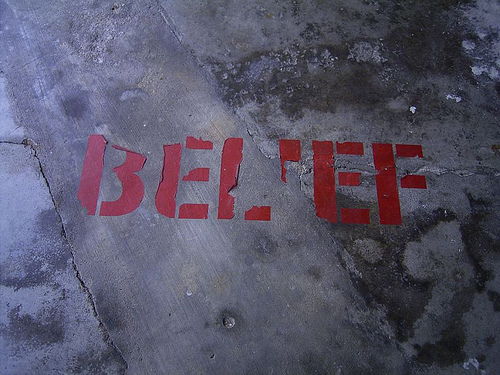
“Whether you think you can or whether you think you can’t, you’re right”
Henry Ford
A strange thing happened to me when I started the Common Purpose International Navigator Emerging Leadership Programme; I became a leader! Now this sounds obvious and a bit strange but I have a strong belief that as soon as you start calling yourself a leader then you become a leader.
I talk to young people a lot about belief; generally if they believe they are trouble makers or they can’t succeed then generally that is what happens – that are trouble makers who don’t succeed. However, a powerful change occurs as soon as they start to think that they can achieve anything – they start to achieve! Belief is a powerful force.
Now, I am not in the realm of following self help books or their philosophy but in my experience as soon as you start talking about yourself as a leader and believe that you are a leader then you get identified as a leader and start leading.
So is belief the start?

I have been given an amazing opportunity and I am so excited; I am off to Shanghai in a few weeks. This trip, consisting of 100 Cultural and Creative leaders was part of an exchange programme of 400 British and 400 Chinese young people (!), supported by Prime Ministers of both countries.
The UK-China 400 programme looks to inspire and motivate people in China and the UK to develop themselves as global citizens; who are potentially mobile, and may aspire to international education and employment; who are interested in and understand other cultures; and who engage in debate and collaborate with others locally and internationally on key issues facing the world.
The programmes Key Objectives are;
- to broaden the international perspective of young leaders
- to change perceptions of young people in both countries
- to develop existing and new community links between the two countries
- to meet the personal and professional objectives of the individual participants
I don’t know too much about the programme yet but I will be using this blog to reflect on my experiences.
This is going to be amazing…
Links:
 I recently had the opportunity to give some honest feedback to a cultural leader and I bottled it.
Creative Leaders at RISD from John Maeda on Vimeo.
Team leaders and team development practitioners often use the Belbin model to help create more balanced teams. Teams can become unbalanced if all team members have similar styles of behavior or team roles.
If team members have similar weakness, the team as a whole may tend to have that weakness. If team members have similar team-work strengths, they may tend to compete (rather than co-operate) for the team tasks and responsibilities that best suit their natural styles. So you can use the model with your team to help ensure that necessary team roles are covered, and that potential behavioral tensions or weaknesses among the team member are addressed.
So I went through the assessment and I came out as a Plant! So to give you an idea of my what my 'default' behaviour is I have described it below...
 nt is the creative innovator who comes up with new ideas and approaches. The plant is a specialist idea maker characterised by high IQ and introversion while also being dominant and original. The plant tends to take radical approaches to team functioning and problems. Plants are more concerned with major issues than with details.
This quote resonates with me at the moment...
"Change has a considerable psychological impact on the human mind. To the fearful it is threatening because it means that things may get worse. To the hopeful it is encouraging because things may get better. To the confident it is inspiring because the challenge exists to make things better."